Tuesday, October 10, 2017

Bob Poling & Al Albajian

photographed by Bruce Bellas 
(Bruce of Los Angeles) 
circa 1953 Los Angeles CA


These monumentally posed Titans are a far cry from the scrappily grappling amateurs recorded seventy years earlier by Muybridge, but both series of photographs function as wrestling pics and meet the needs of the desiring Queer viewer.  Bruce Bellas’s carefully bathed these two in a soft light against a velvety black background into which they seemingly could slowly dissolve.  Still, one can vicariously enjoy the various sensations these two clearly enjoyed as their well muscled massive bodies pressed against each other some sixty five years ago.  One senses how well each man got the feel of the other. 


Sunday, October 8, 2017

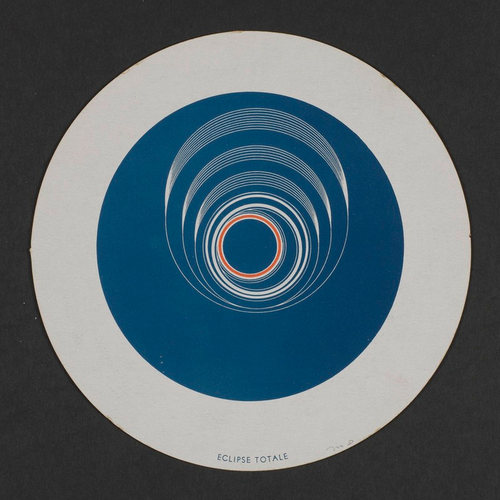
Rotorelief Optical Discs et Anemic Cinema

Rotorelief Optical Discs 1935
Anemic Cinema 1926
Marcel Duchamp


 1.Lanterne Chinoise  

2.Poisson Japonaise  


3.Corelles  

4.Verre de Bohême  

5.Lampe  

6.Cerceaux  


7.Spirale Blanche  


8.Eclipse Totale  

9.Cage  


10.Untitled
While experimenting with designs, Duchamp and his friends Man Ray and Marc Allégret made the film Anemic Cinema, from which the last four gifs down are taken.

Saturday, October 7, 2017

The Killing

Stanley Kubrick
James Harris & Jim Thompson 
Hollywood CA 1956


By most accounts his third feature should be taken as Kubrick’s graduation piece.  It marks his ascension into the realm of professional film makers, which is the sort of thing that probably means more to young ones than to their elders in the field.  (Even Jack Smith, when he started out, had hoped to attain this distinction.)  Though it owes more than a little to John Huston’s great film noir, the Asphalt Jungle, even beyond its premise and star, the difference between these two heist movies is more telling.  The Killing is the work of a man obsessed with the possibility and impossibility of control.  As a great planner, he recognized the importance of contingency.  He wouldn’t have had the career he wanted otherwise and would have ended up like Johnny Clay staring into the whirlwind as it all got blown away.


In many ways Kubrick's new partnership with James B Harris could be termed his first successful marriage. Harris's influence on and contribution to his three films with Kubrick should not be underestimated and (while not to suggest that their union was physically consummated) it was then that Kubrick first began presenting openly Queer characters in his films.